Archive 146: Daily Pix FULL SIZE
(For personal use only: NOT public domain)
(Mmm, right click, add, set as background...)
To: Today's: Desktop size
download , Today's FAQs, SW Archive
100, SW Archive
101, SW Archive
102, SW Archive
103, SW Archive
104, SW Archive
105, SW Archive
106, SW Archive
107, SW Archive
108, SW Archive
109, SW Archive
110, SW Archive
111, SW Archive
112, SW Archive
113, SW Archive
114, SW Archive
115, SW Archive
116, SW Archive
117, SW Archive
118, SW Archive
119, SW Archive 120, SW Archive 121, SW Archive 122, SW Archive 123, SW Archive 124, SW Archive 125, SW Archive 126, SW Archive 127, SW Archive 128, SW Archive 129, SW Archive 130, SW Archive 131, SW Archive 132, SW Archive 133, SW Archive 134, SW Archive 135, SW Archive 136, SW Archive 137, SW Archive 138, SW Archive 139, SW Archive 140, SW Archive 141, SW Archive 142, SW Archive 143, SW Archive 144, SW Archive 145, SW Archive 147, SW Archive 148, SW Archive 149, SW Archive
150, SW Archive
151, Freshwater
Pic of the Day Link,
|
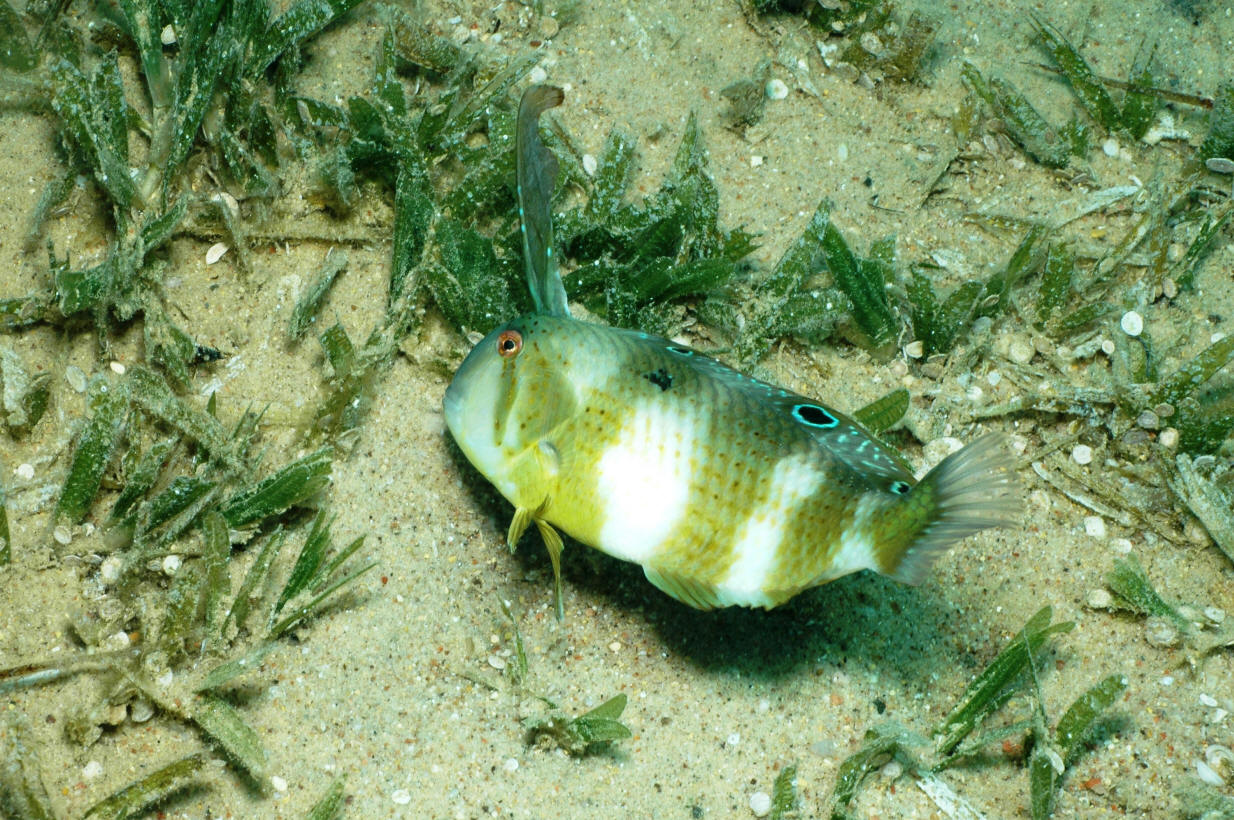 |
| Xyrichthys pavo Valenciennes 1840, Peacock
Wrasse. Indo-Pacific; Red Sea, eastern African coast all the way
over to the tropical eastern Pacific coast, Hawai'i... To
sixteen inches in length. Occasionally offered to the trade as
juveniles. Often mistaken for leaf litter in the wild. Feeds on
crustaceans, mollusks. Red Sea 08 |
|
|
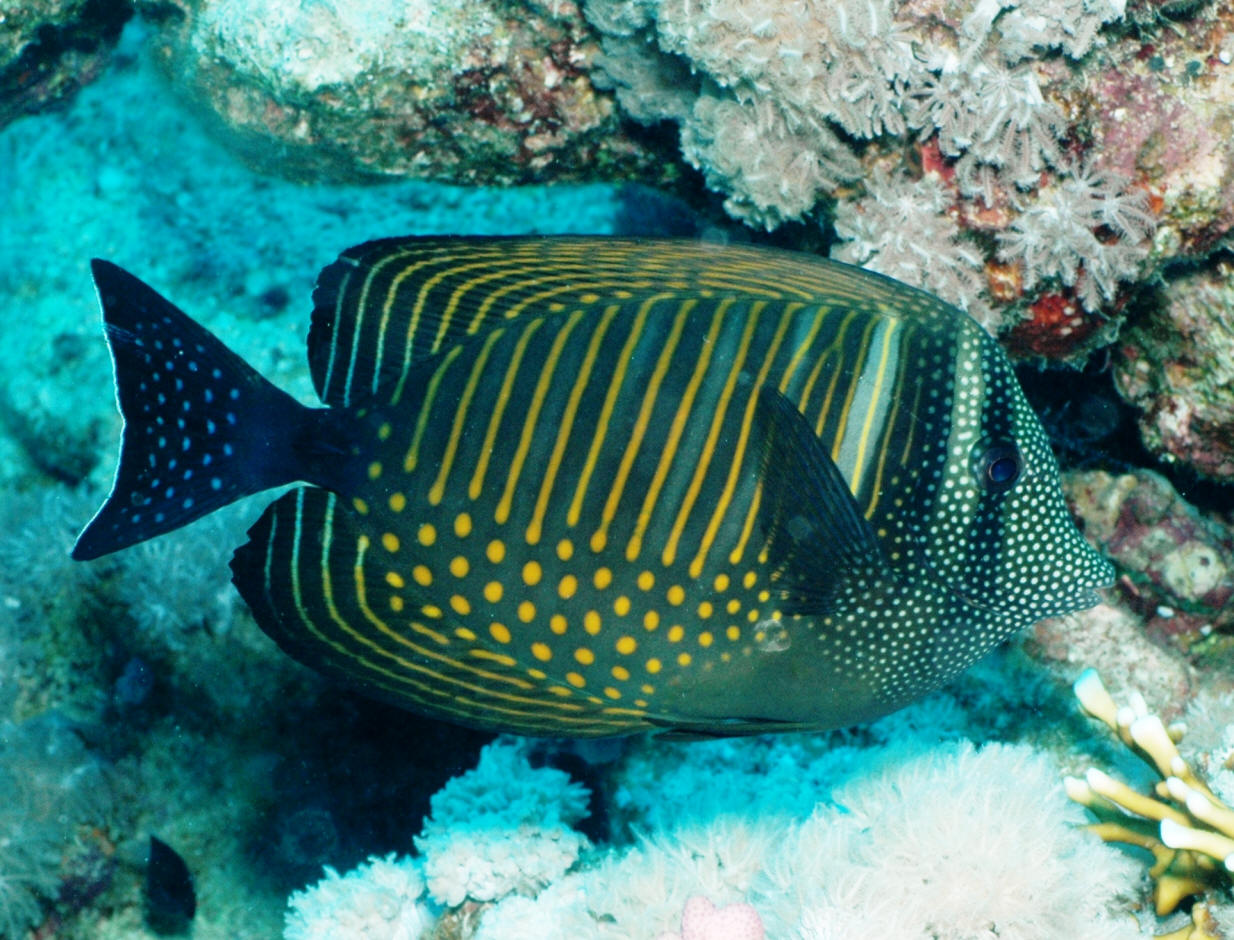
| Zebrasoma desjardinii
("day-har-din-ee-eye") (Bennett 1835), Desjardin's
Sailfin Tang. Seeing this fish and Z. veliferum at the same
time might cause you to do a double take; they are very similar in
color and markings. Desjardin's Tang comes to the trade mainly
from the Indian Ocean or Red Sea. Red Sea 08 |
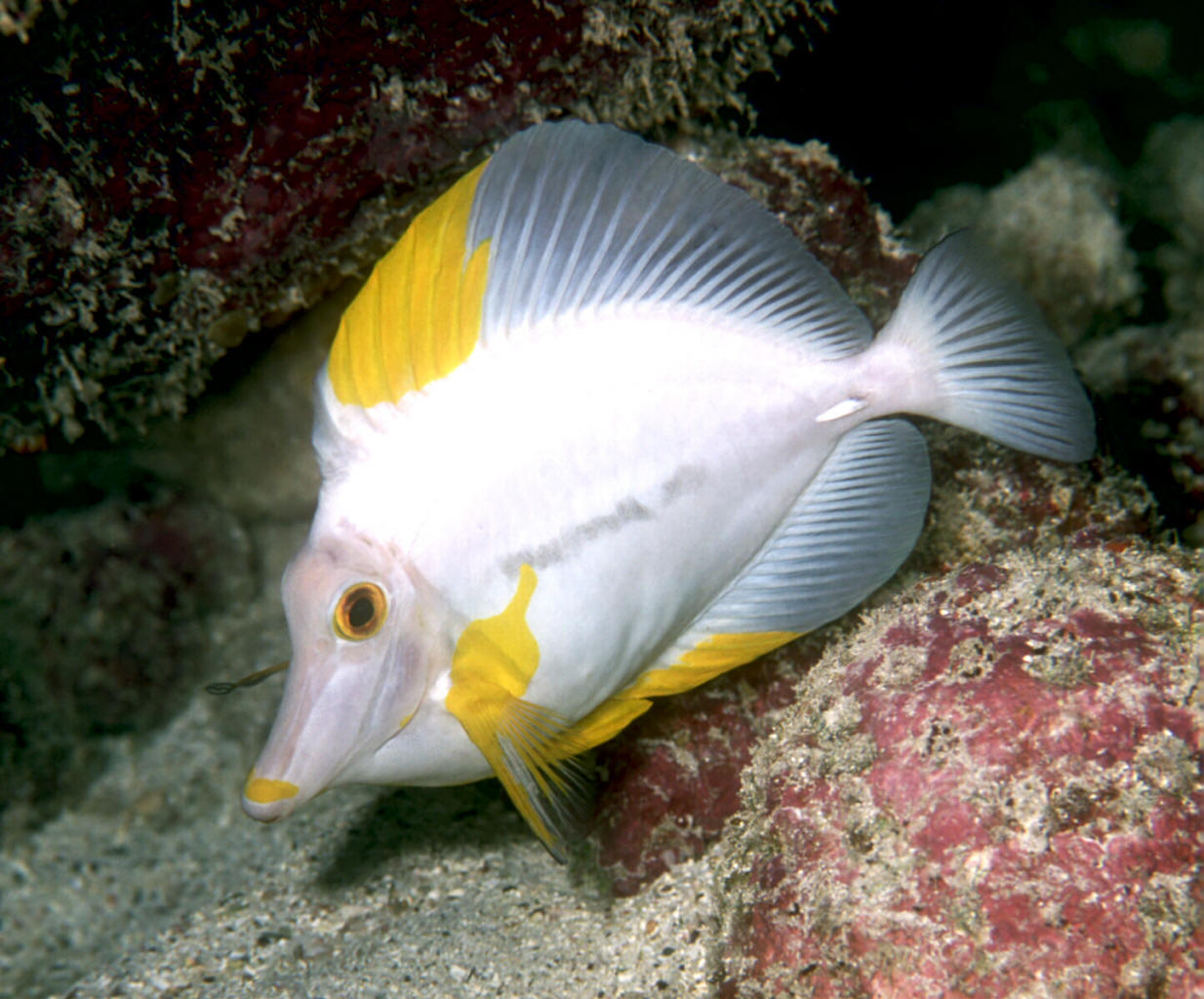 |
| "Koi" varieties of Yellow Tangs are
known... mostly yellow, orange, white and sometimes black marking
mottled... They are beauties... and seem (by me) to be more
"intelligent"... definitely harder to photograph than
"standard" Z. flavescens. |
LG.JPG) |
| Zebrasoma gemmatum (Valenciennes 1835), the
Spotted Sailfin Tang. Well-named in the vernacular and science;
that is, spotted and as rare, beautiful and expensive as a precious
stone. This Indian Ocean endemic is rarely imported to the west,
and what a shame. It is just as hardy as any of the
Zebrasoma and a real beauty. Interzoo 08 |
|
|